How Often Should You Visit the Dentist? An Ottawa Dentist Weighs In

Share this article

New Title

It's one of those questions that seems simple but doesn't always get a simple answer: how often should you actually go to the dentist? You've probably heard "every six months" your entire life, but is that really the right frequency for everyone?

As a dental practice serving patients across Ottawa, Luminara Dental sees a wide range of oral health situations, and the honest answer is that the right schedule depends on your individual needs.


The Six-Month Guideline


For most people in good oral health, visiting the dentist every six months is a solid guideline. These routine visits typically include a professional cleaning, a thorough examination, and occasional X-rays to catch problems that aren't visible to the naked eye.

The logic behind this schedule is straightforward. Plaque begins to mineralize into tartar within 24 to 72 hours, and once it hardens, only professional instruments can remove it. Over six months, even diligent brushers and flossers accumulate some buildup, particularly in hard-to-reach areas.

More importantly, many dental conditions — cavities, early gum disease, even oral cancers — develop slowly and quietly. Regular check-ups catch these issues early, when treatment is simpler, less invasive, and less expensive.


Who Might Need More Frequent Visits?


Some patients benefit from seeing the dentist every three to four months. This includes individuals with a history of gum disease, as periodontal conditions require closer monitoring to prevent recurrence. Patients with diabetes, which can affect healing and increase susceptibility to gum infections, may also be advised to come in more frequently.

Smokers and former smokers face elevated risks for gum disease and oral cancer, making more regular screenings advisable. Pregnant women should also maintain close contact with their dental team, as hormonal changes can make gums more vulnerable to inflammation — a condition sometimes called pregnancy gingivitis.


What Actually Happens During a Check-Up?


If it's been a while since your last visit, you might be wondering what to expect. A typical dental check-up at Luminara Dental in Ottawa includes several components. Your hygienist will clean your teeth thoroughly, removing plaque and tartar buildup and polishing the tooth surfaces. We'll examine your teeth, gums, tongue, and the soft tissues of your mouth.

We may take X-rays if it's been more than a year or if there's a specific concern. X-rays reveal what's happening below the surface — between teeth, beneath existing fillings, and in the bone supporting your teeth.

Your dentist will review the findings with you, discuss any areas of concern, and recommend a treatment plan if needed. We believe in transparent communication — no surprises, no pressure.


The Cost of Skipping Appointments


We understand that life gets busy. Between work, family, and everything else happening in Ottawa, dental appointments can slip down the priority list. But the cost of skipping regular visits is often much higher than the cost of the visit itself.

A small cavity caught at a check-up might require a simple filling that costs a fraction of what a root canal and crown would cost if that same cavity is left to progress. Gum disease caught early can often be managed with improved home care and a deep cleaning. Left untreated, it can lead to bone loss and tooth loss.


Making It Easier to Stay on Track


At Luminara Dental, we work with our patients to make dental care accessible and manageable. We offer flexible scheduling, send appointment reminders, and work with most insurance plans. Our goal is to remove as many barriers as possible so that maintaining your oral health is straightforward, not stressful.

If you're overdue for a dental check-up, there's no judgment here — just a team that's ready to help you get back on track. Contact Luminara Dental today and let's take care of your smile together.


Recent Posts

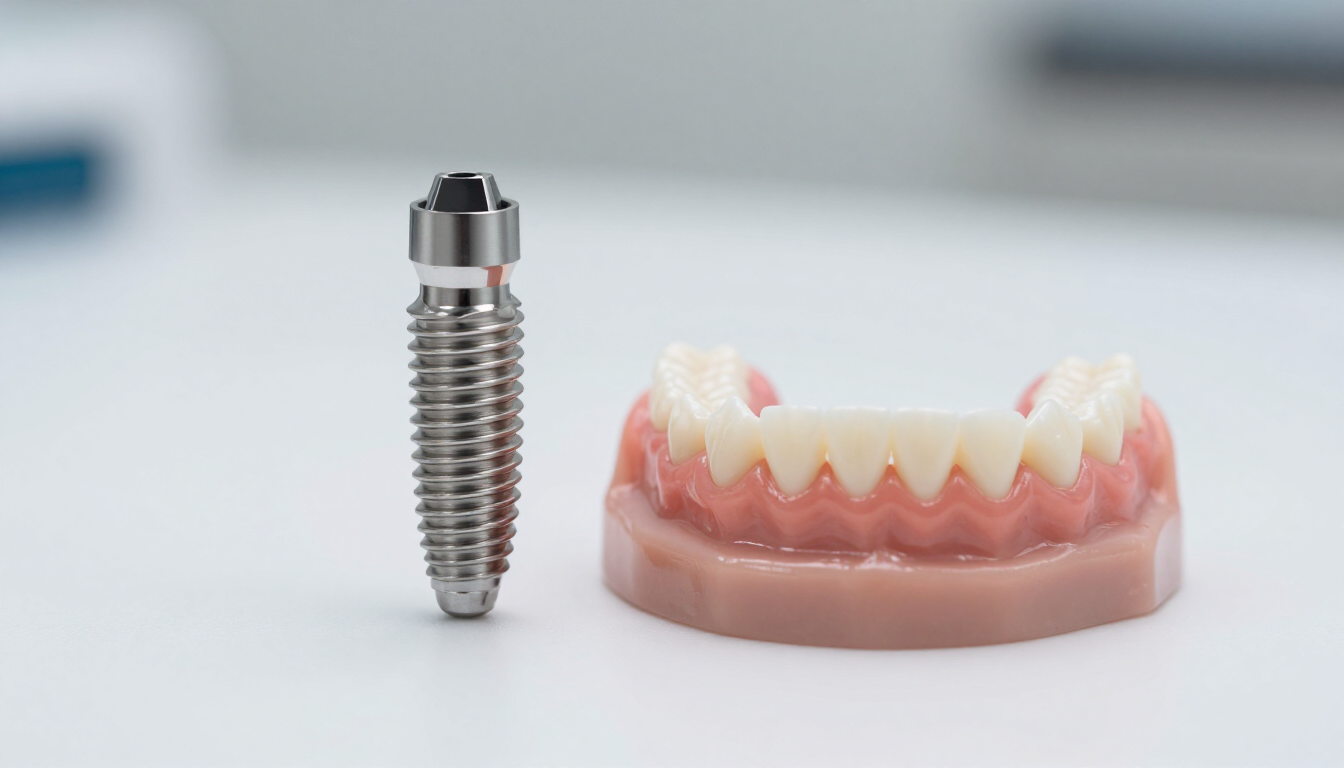
Dental implant, detailed cross-section. Metal screw implanted in jawbone, supporting a single tooth. Remaining natural teeth visible.
March 4, 2026
Considering dental implants in Ottawa? Learn about the procedure, benefits, costs, and recovery. Luminara Dental offers expert implant consultations.
Woman smiling, looking at teeth in dental mirror. Wearing pink bib, in dentist's chair.
February 28, 2026
Considering teeth whitening in Ottawa? Learn about professional vs. at-home options, costs, and what to expect at Luminara Dental.
February 27, 2026
Best Dentist in Stittsville: What to Look for When Choosing Your Dental Care Provider
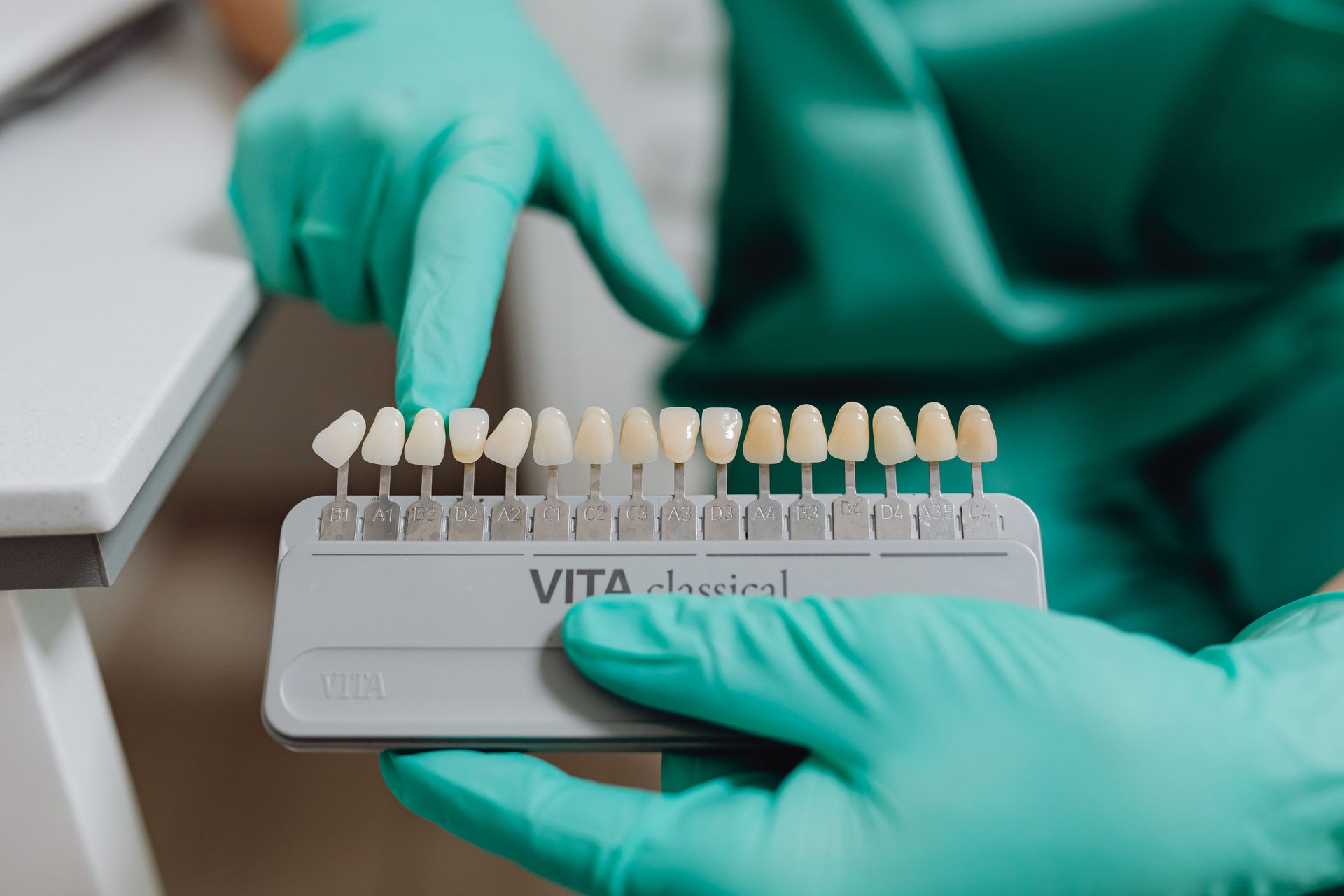
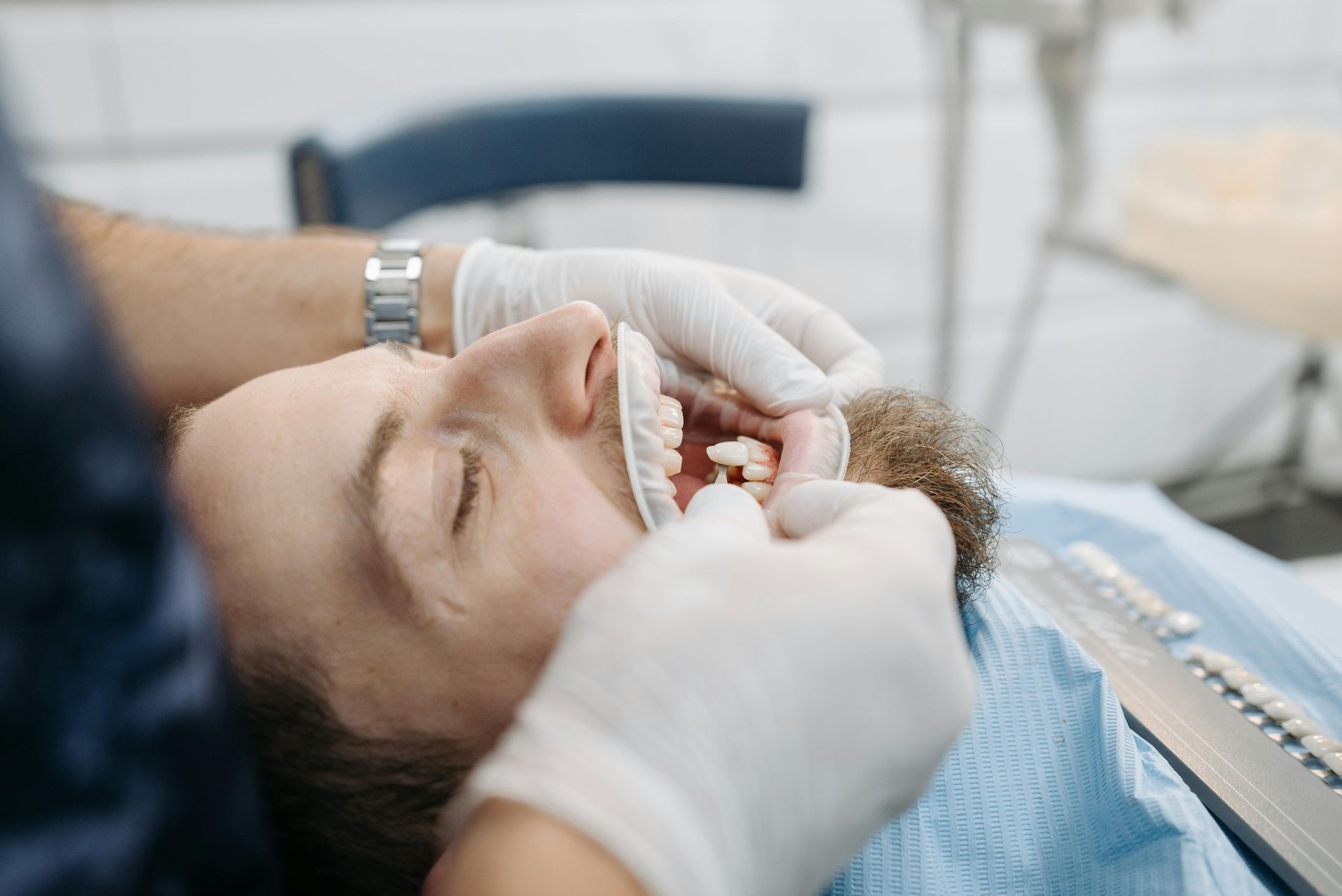
Dentist matching shade guide to patient's teeth in a dental clinic.
February 7, 2026
The Art of the Smile Makeover Your smile is often the first thing people notice. If you find yourself hiding your teeth due to chips, gaps, or deep discoloration that whitening can't fix, porcelain veneers may be the transformative solution you’ve been looking for. Veneers are thin, custom-crafted shells of ceramic that are bonded to the front surface of your teeth, instantly correcting a multitude of imperfections. Porcelain vs. Composite: Choosing Your Material At Luminara Dental , we offer both porcelain and composite resin veneers. Understanding the difference is key to planning your smile makeover. Porcelain Veneers: Aesthetics: Porcelain mimics the light-reflecting properties of natural enamel perfectly. It is highly resistant to coffee, tea, and wine stains. Longevity: With proper care, porcelain veneers can last 10 to 15 years or longer. Investment: In Ontario, the cost typically ranges from $800 to $2,500 per tooth. The higher cost reflects the laboratory craftsmanship and durable material. Composite Veneers: Process: The resin is applied directly to the tooth and sculpted by the dentist in a single visit. Longevity: Typically 5 to 7 years; they are more prone to chipping and staining over time. Investment: A more budget-friendly option, ranging from $250 to $1,500 per tooth. The Procedure: What to Expect Getting porcelain veneers is a multi-step artistic process. Consultation & Design: We discuss your aesthetic goals. Do you want a "Hollywood white" smile or a natural enhancement? Preparation: A tiny amount of enamel (about 0.5mm) is removed from the front of the tooth to ensure the veneer sits flush and doesn't look bulky. Fabrication: Impressions are sent to a specialized dental lab where technicians hand-craft your veneers. Bonding: You return to our Stittsville clinic where the veneers are permanently bonded to your teeth. A Note on "Dental Tourism " We often hear about low-cost veneer packages abroad (e.g., Turkey). While the upfront price is lower, we urge caution. International treatments often involve aggressive tooth reduction ("crowns" marketed as veneers) and lack the long-term follow-up care available with a local Ottawa dentist. Your smile is a lifetime asset; trust it to a regulated professional who will be there to support you for years to come.
Close-up of a person's open mouth and face, hand touching the jaw. Yellow background.
By Mohamed Dahman February 7, 2026
When Seconds Count Dental emergencies rarely happen at convenient times. Whether it’s a hockey injury at a local Stittsville rink or a sudden, debilitating toothache in the middle of the night, panic is a natural response. However, knowing exactly what to do in the first 30 minutes can mean the difference between saving a tooth and losing it. Luminara Dental is committed to providing rapid response care for our community. Identifying a True Dental Emergency Not every dental issue requires a midnight trip to the clinic, but the following situations demand immediate attention: Avulsed (Knocked-Out) Tooth: This is the most time-sensitive emergency. If a permanent tooth is knocked out, keep it moist. Place it back in the socket if possible, or store it in a container of cold milk. Do not scrub the root. You have a window of roughly one to six hours to re-implant the tooth successfully. Facial Swelling: Swelling that extends to the eye or neck, or causes difficulty swallowing, can indicate a severe abscess. This is a potentially life-threatening infection that requires immediate antibiotics and drainage. Uncontrollable Bleeding: If pressure does not stop oral bleeding after trauma, urgent care is needed. Severe Pain: Pain that prevents sleep or is not relieved by over-the-counter medication suggests nerve involvement or severe decay. After-Hours Support: The Ottawa Dental Society Connection We believe our responsibility to patients extends beyond our office hours. Luminara Dental is a proud participant in the Ottawa Dental Society (ODS) Emergency Service . If you experience a crisis when our Stittsville clinic is closed, you can call 613-523-4185 to be connected with an on-call dentist between 9:00 a.m. and 9:00 p.m., seven days a week. This network ensures that you are never left without professional support. Financial Preparedness for Emergencies Emergency exams and treatments are often covered by standard dental insurance plans. If you do not have insurance, the ODS service and our clinic can provide clear fee structures for urgent palliative care. The priority is always to alleviate pain and stabilize the condition first. Tip: Keep our number (613-523-4185 for after-hours) saved in your phone. In a dental emergency, you don’t want to be searching Google—you want to be dialing help.
Women with wide smile after using invisalign at Luminara Dental Ottawa
February 6, 2026
For many adults in Ottawa, the desire for a straighter smile is often outweighed by the reluctance to wear metal braces in a professional setting. The "metal mouth" aesthetic, while effective, can feel incompatible with client meetings and social engagements. Enter Invisalign: the clear, wire-free solution that has revolutionized adult orthodontics. At Luminara Dental , we see firsthand how this technology empowers patients to achieve their ideal smile without compromising their lifestyle.