
Dental Implants vs Dentures: Which Is Better ?

Share this article

Choosing between dental implants and dentures depends on your budget, bone health, and lifestyle. Dental implants are permanent titanium posts that mimic natural roots, while dentures are removable prosthetics. Generally, implants offer superior longevity and bite strength, whereas dentures provide a faster, non-invasive, and more affordable initial solution.

What are the main differences between implants and dentures?

When considering dental implants vs dentures , the most fundamental difference lies in how they interact with your jawbone. Dental implants are surgically anchored into the bone, acting as a replacement root. This integration, known as osseointegration, provides a level of stability that is unmatched by other treatments . Dentures, conversely, rest on the gums and are held in place by natural suction or dental adhesives.

Functionality is another major differentiator. Because implants are fixed, they function exactly like natural teeth, allowing you to eat a full range of foods without fear of slippage. Dentures require a period of adjustment and may occasionally shift while speaking or eating, which can affect a patient’s confidence in social settings. At Luminara Dental, we focus on ensuring that whichever path you choose, the result is a comfortable and functional smile transformation .

Core Benefits of Dental Implants

Dental implants are often considered the gold standard for teeth replacement options . Their benefits extend far beyond aesthetics. Because they stimulate the jawbone just like a natural tooth root, they prevent the bone loss that typically follows tooth extraction. This helps maintain your facial structure and prevents the "sunken" look often associated with long-term tooth loss.

  • Superior longevity (can last a lifetime with care).
  • High success rates (typically above 95%).
  • No risk of cavities in the implant itself.
  • Prevents neighboring teeth from shifting.
  • Matches natural bite force almost perfectly.

How do dentures compare for daily lifestyle?

For many patients, dentures represent a convenient and non-surgical way to regain their smile. Modern dentures are far more advanced than those of previous generations. They are crafted from high-quality resins that mimic the look of natural gum tissue and teeth. While they don't provide the same structural support as implants, they are an excellent option for individuals who may not have enough bone density for surgery or who prefer a non-invasive approach to GENERAL DENTISTRY .

Daily maintenance for dentures involves removing them for cleaning and soaking them overnight. This routine is different from implants, which you simply brush and floss like your original teeth. Many patients find that the flexibility of dentures fits their current lifestyle, especially if they are looking for a quicker turnaround time to replace multiple missing teeth.

Modern Denture Options at Luminara Dental

We offer several variations of dentures to meet diverse patient needs. Whether you are missing a few teeth or an entire arch, there is a solution available. Our team works closely with you to ensure a fit that is both snug and aesthetically pleasing.

  1. Full Dentures: Used when all teeth in an arch are missing.
  2. Partial Dentures: Ideal for filling gaps when some natural teeth remain.
  3. Implant-Supported Dentures: A hybrid approach using a few implants to "snap" the denture into place.
  4. Immediate Dentures: Placed on the same day teeth are extracted so you never leave without a smile.
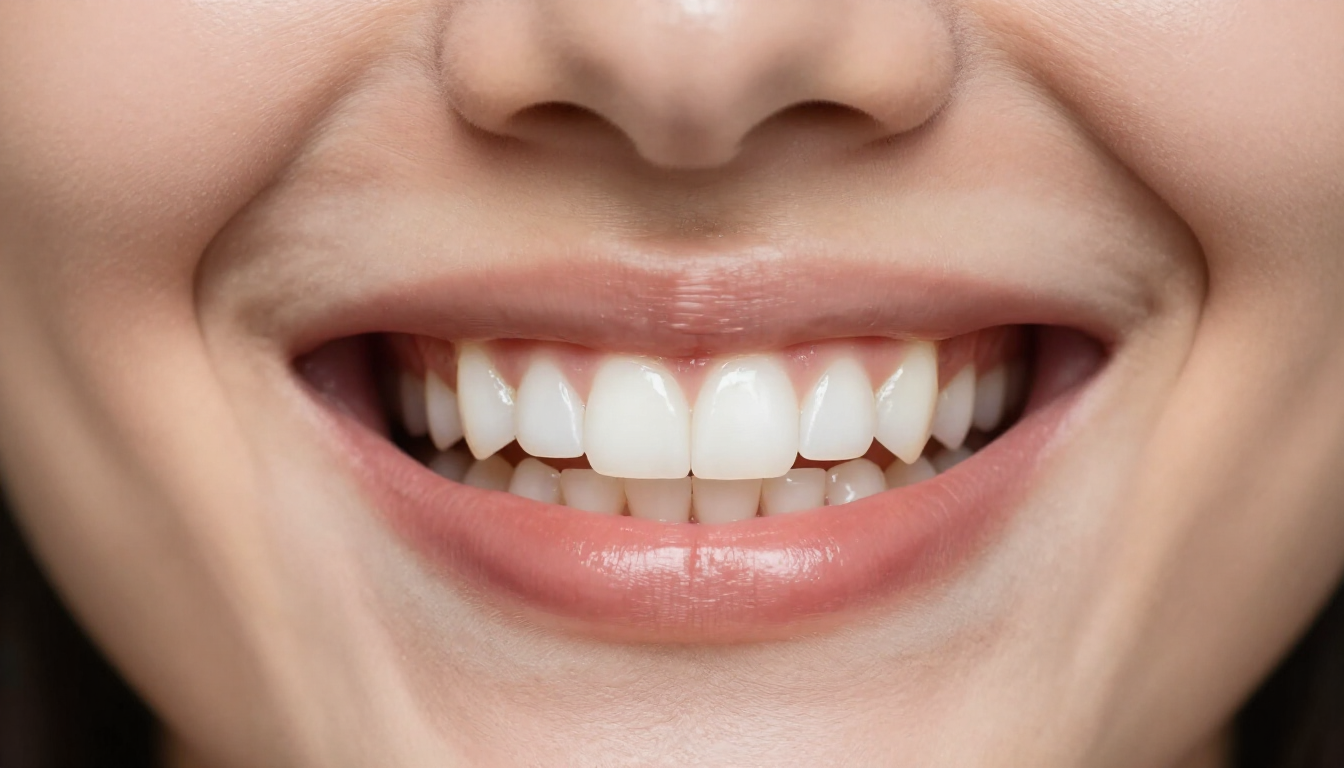
Healthy Human Smile

Is the procedure for dental implants painful?

At Luminara Dental, we prioritize a pain-free experience. While "surgery" can sound intimidating, most patients report that the discomfort during a dental implant procedure is minimal—often less than a standard extraction. We use advanced local anesthesia and offer sedation options to ensure you are completely comfortable throughout the process.

Post-operative recovery usually involves some minor swelling and tenderness for a few days, which can be managed with over-the-counter pain relief. Our dedicated team provides comprehensive aftercare instructions to ensure your healing process is smooth and efficient. We believe that a welcoming office environment and personalized care are essential to reducing patient anxiety regarding smile repair .

How much do dental implants cost vs dentures?

When evaluating the cost of dental implants , it is important to look at the long-term value. Implants have a higher upfront cost because of the materials (titanium and porcelain) and the surgical expertise required. However, because they rarely need replacement, they can actually be more cost-effective over a lifetime. Dentures have a lower initial price point but may require relining or replacement every 5 to 7 years as the jawbone changes shape.

Financial planning is a key part of our patient experience. We offer transparent pricing and various options to make your dream smile accessible. For those specifically looking at restorative work, you may be interested in our $1000 OFF Dental Implants offer, which helps bridge the gap between traditional dentures and permanent solutions. We also partner with Beautifi to provide flexible financing plans.

Long-Term Oral Health and Bone Maintenance

One of the most overlooked aspects of tooth loss solutions is bone health. When a tooth is lost, the bone that once supported it begins to resorb or shrink. This process happens because the bone is no longer receiving the mechanical stimulation from chewing. Dentures do not stop this process; in fact, the pressure of a denture on the gums can sometimes accelerate it.

Implants are the only restorative option that preserves and stimulates natural bone. This is why many dental professionals recommend implants as a preventative measure for long-term oral health. By maintaining the jawbone, you preserve the natural contours of your face and ensure that any remaining natural teeth stay securely in place.

Who is a good candidate for permanent teeth replacement?

Most adults in good general health are candidates for dental implants. The primary requirements are healthy gums and adequate bone to support the implant. Even if you have experienced bone loss, procedures like bone grafting can often prepare the site for a successful implant.

If you have chronic conditions like uncontrolled diabetes or are a heavy smoker, we will need to discuss a specialized treatment plan to ensure high success rates. For those who are not ideal candidates for surgery, high-quality dentures remain a fantastic and reliable alternative. The best way to determine your path is to contact us for a comprehensive consultation.

Summary of Teeth Replacement Choices

Choosing between dental implants and dentures is a personal decision that impacts your health, appearance, and daily comfort. While implants offer a permanent, bone-preserving solution that mimics natural teeth, dentures provide an accessible and non-invasive alternative for immediate smile restoration.

Key Takeaways:

  • Implants are permanent and prevent bone loss but require a higher initial investment.
  • Dentures are non-surgical and more affordable upfront but require more maintenance.
  • Hybrid solutions like implant-supported dentures offer a middle ground for stability.
  • Oral Health is better preserved long-term with the use of dental implants.

At Luminara Dental, we are committed to providing an exceptional patient experience regardless of the treatment you choose. Our focus on technology and personalized care ensures that your smile transformation is handled with the highest level of expertise. To find the right fit for your needs, schedule a visit with our team today and take the first step toward a healthier, more confident smile.

Recent Posts

A bright and modern dental clinic interior welcoming patients for cosmetic dentistry services.
August 7, 2026
Explore cosmetic dentistry options including professional tooth whitening dental treatments. Find the best cosmetic dentists near you in Stittsville and Ottawa for a smile makeover.
Close-up of a professional dental tool set and a healthy restored tooth model.
August 3, 2026
Discover everything you need to know about the dental filling tooth procedure, including types of materials, signs of decay, and what to expect during your pain-free visit to Luminara Dental in Stittsville.

Two people talking across a white reception desk in a bright, modern office lobby
July 6, 2026
Renewed your CDCP card? Learn how to book CDCP dental appointments, understand your 2026 coverage, and find a participating dentist at Luminara Dental for pain-free care.

Smiling person with curly hair outdoors in soft natural light
May 20, 2026
Discover why clear aligners are the top choice for teeth straightening in 2026. Learn about the process, benefits, and costs at Luminara Dental.
Dentist adjusting a patient's mouth with gloved hands during a dental procedure
May 8, 2026
Learn how dental implants provide a permanent, pain-free solution for missing teeth at Luminara Dental. Discover the benefits, process, and modern technology used.
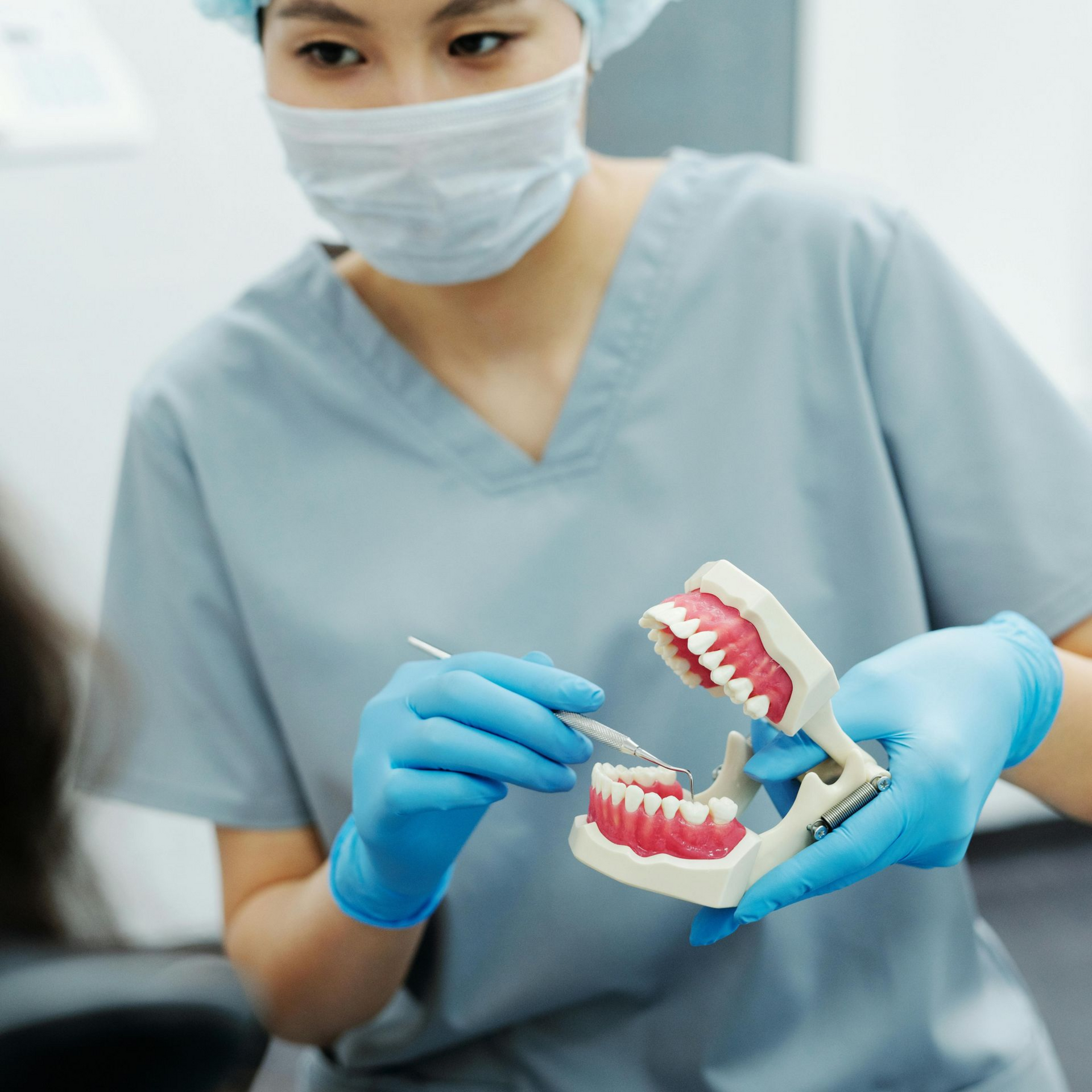
Dentist in blue scrubs and mask demonstrating a dental model with a toothbrush in a clinic
April 16, 2026
Learn why preventive dental care is the foundation of a healthy smile. Discover expert tips from Luminara Dental on routine checkups, home hygiene, and long-term oral health.
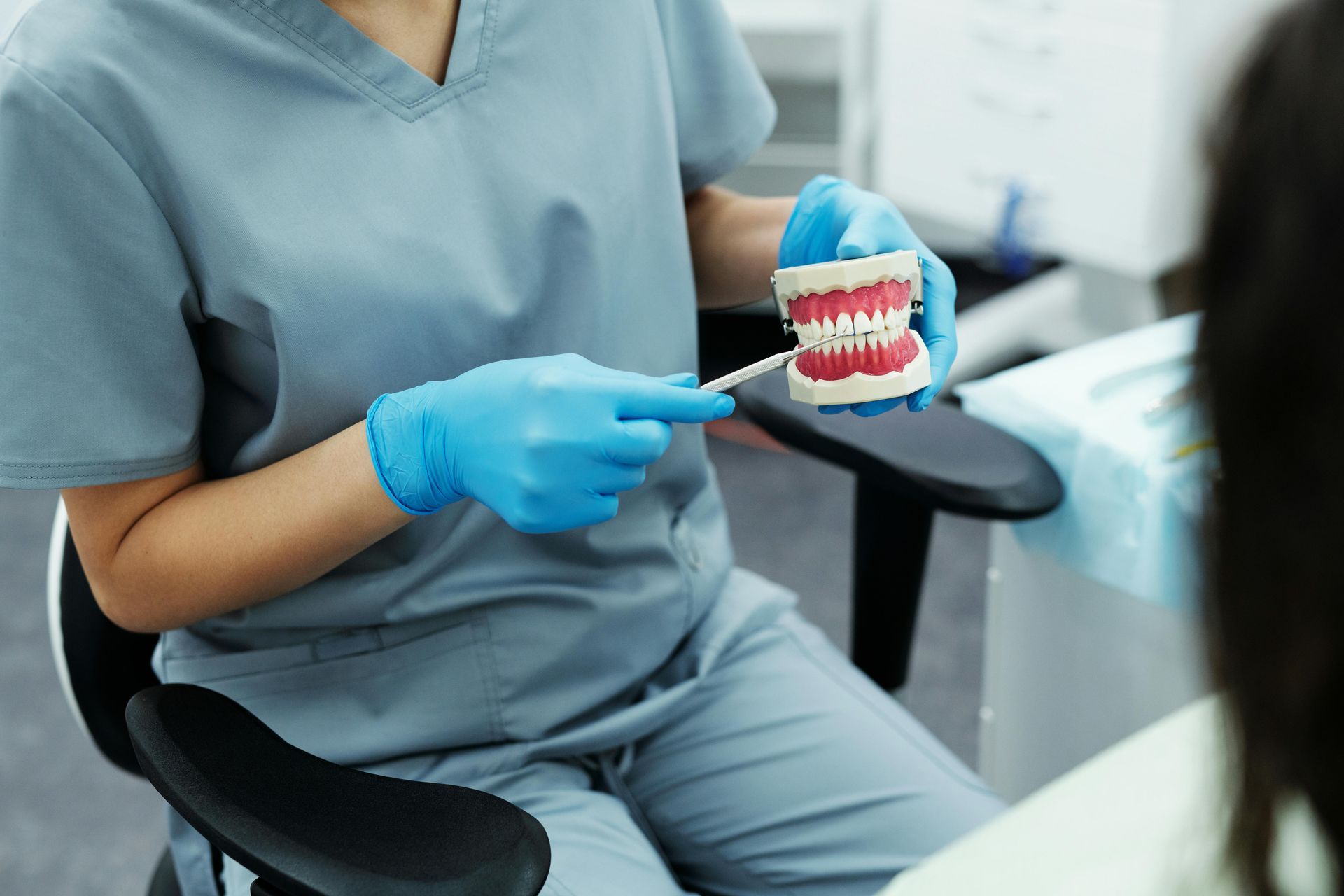
Dentist in gray scrubs holding a dental model and pointing with a blue gloved hand in a clinic
April 12, 2026
Learn what happens during a routine dental hygiene visit at Luminara Dental, from professional scaling to oral cancer screenings and home care tips.
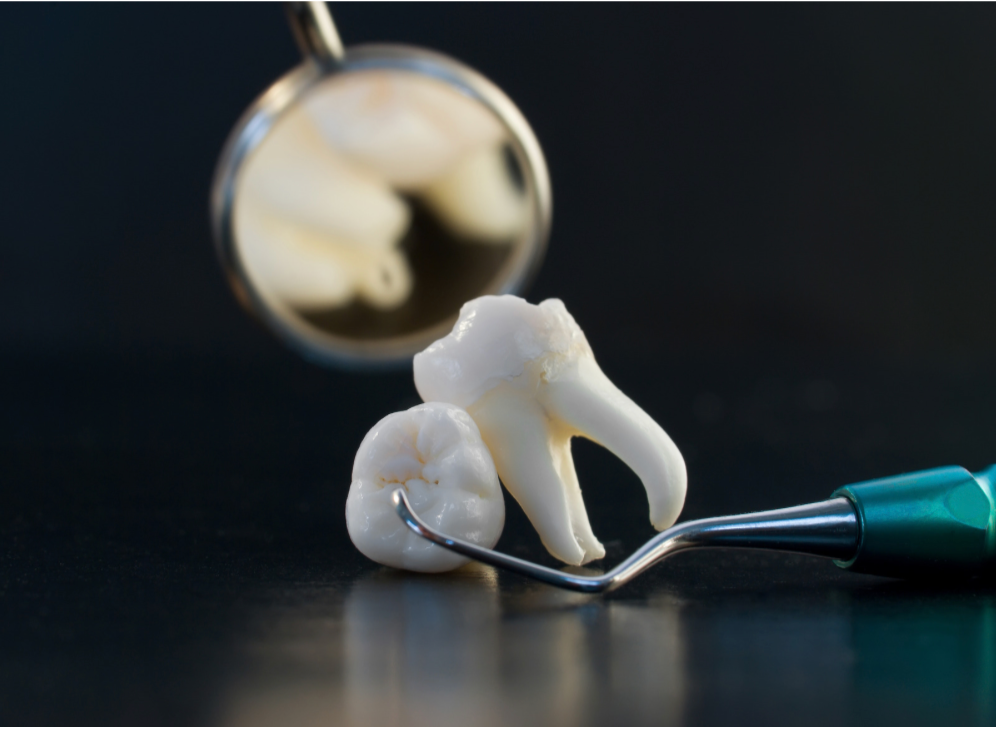
Tooth model on dental tool with blurred mirror in background
March 18, 2026
Learn about wisdom teeth removal in Ottawa at Luminara Dental. Discover what to expect before, during, and after surgery for a smooth recovery.

Dentist showing a patient a dental mold while wearing orange gloves in a clinic
March 15, 2026
Explore cosmetic dentistry in Ottawa at Luminara Dental. From teeth whitening to veneers, learn how we create beautiful, pain-free smiles. Book now!
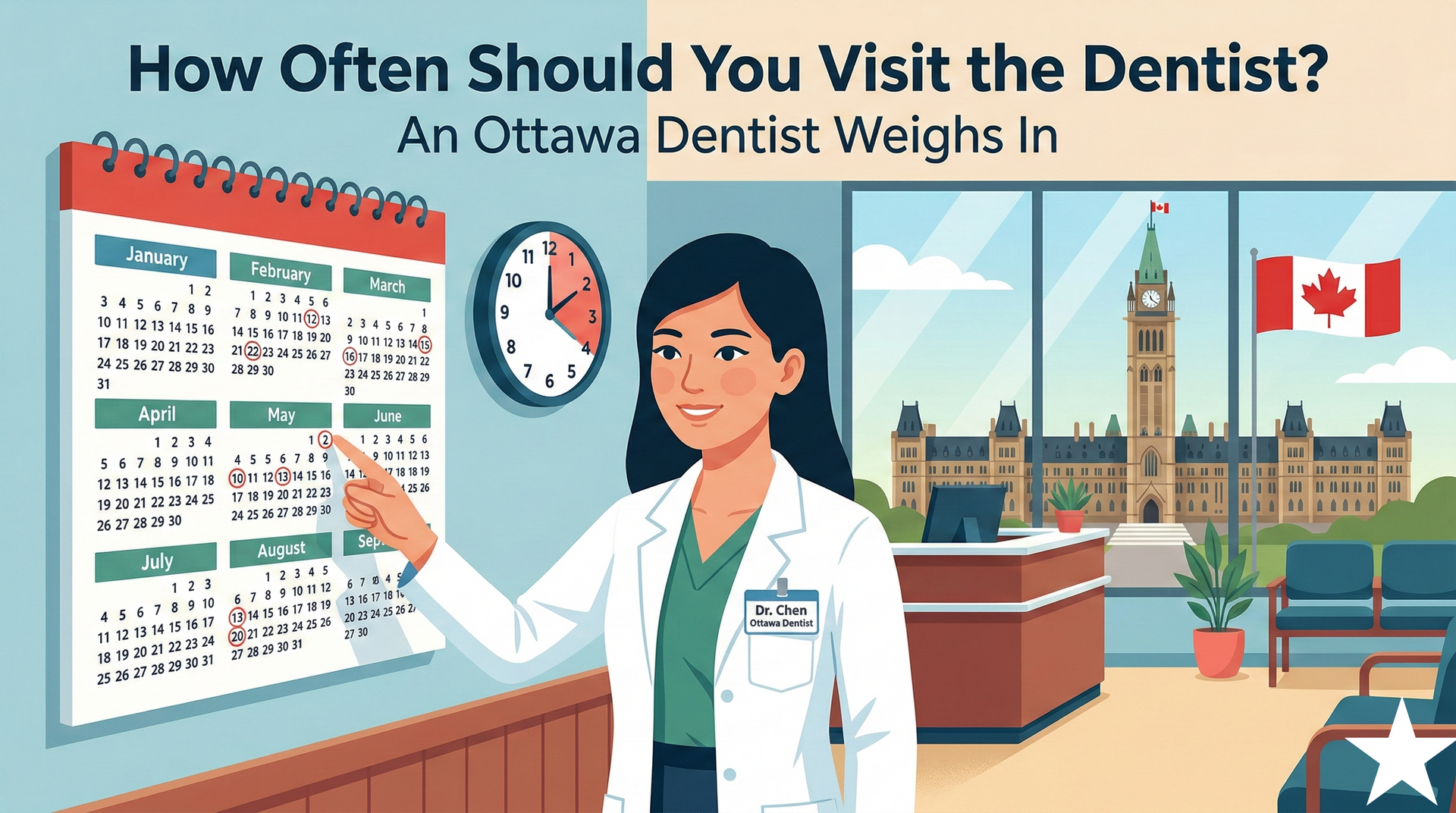
Dentist office infographic with calendar and smiling dentist beside Ottawa skyline and Canadian flag
March 7, 2026
It's one of those questions that seems simple but doesn't always get a simple answer: how often should you actually go to the dentist? You've probably heard "every six months" your entire life, but is that really the right frequency for everyone? As a dental practice serving patients across Ottawa, Luminara Dental sees a wide range of oral health situations, and the honest answer is that the right schedule depends on your individual needs. The Six-Month Guideline For most people in good oral health, visiting the dentist every six months is a solid guideline. These routine visits typically include a professional cleaning, a thorough examination, and occasional X-rays to catch problems that aren't visible to the naked eye. The logic behind this schedule is straightforward. Plaque begins to mineralize into tartar within 24 to 72 hours, and once it hardens, only professional instruments can remove it. Over six months, even diligent brushers and flossers accumulate some buildup, particularly in hard-to-reach areas. More importantly, many dental conditions — cavities, early gum disease, even oral cancers — develop slowly and quietly. Regular check-ups catch these issues early, when treatment is simpler, less invasive, and less expensive. Who Might Need More Frequent Visits? Some patients benefit from seeing the dentist every three to four months. This includes individuals with a history of gum disease, as periodontal conditions require closer monitoring to prevent recurrence. Patients with diabetes, which can affect healing and increase susceptibility to gum infections, may also be advised to come in more frequently. Smokers and former smokers face elevated risks for gum disease and oral cancer, making more regular screenings advisable. Pregnant women should also maintain close contact with their dental team, as hormonal changes can make gums more vulnerable to inflammation — a condition sometimes called pregnancy gingivitis. What Actually Happens During a Check-Up? If it's been a while since your last visit, you might be wondering what to expect. A typical dental check-up at Luminara Dental in Ottawa includes several components. Your hygienist will clean your teeth thoroughly, removing plaque and tartar buildup and polishing the tooth surfaces. We'll examine your teeth, gums, tongue, and the soft tissues of your mouth. We may take X-rays if it's been more than a year or if there's a specific concern. X-rays reveal what's happening below the surface — between teeth, beneath existing fillings, and in the bone supporting your teeth. Your dentist will review the findings with you, discuss any areas of concern, and recommend a treatment plan if needed. We believe in transparent communication — no surprises, no pressure. The Cost of Skipping Appointments We understand that life gets busy. Between work, family, and everything else happening in Ottawa, dental appointments can slip down the priority list. But the cost of skipping regular visits is often much higher than the cost of the visit itself. A small cavity caught at a check-up might require a simple filling that costs a fraction of what a root canal and crown would cost if that same cavity is left to progress. Gum disease caught early can often be managed with improved home care and a deep cleaning. Left untreated, it can lead to bone loss and tooth loss. Making It Easier to Stay on Track At Luminara Dental , we work with our patients to make dental care accessible and manageable. We offer flexible scheduling, send appointment reminders, and work with most insurance plans. Our goal is to remove as many barriers as possible so that maintaining your oral health is straightforward, not stressful. If you're overdue for a dental check-up, there's no judgment here — just a team that's ready to help you get back on track. Contact Luminara Dental today and let's take care of your smile together.

Show More