
Daily Dental Routines That Deserve More Attention

Source: Dr. Marketing
Most people care deeply about their oral health. They brush daily, try to eat well, and schedule dental visits when something feels off. Still, many common dental concerns develop quietly over time. The reason is rarely neglect. More often, it comes down to small daily habits that can be refined with the right information.
At Luminara Dental in Stittsville, we believe that better oral health starts with understanding, not correction. When patients learn how everyday routines interact with teeth and gums, they can make small, meaningful adjustments that support comfort, strength, and long-term stability. This guide explores common habits that benefit from a closer look and explains how simple changes can make a lasting difference. As the year winds down and routines shift with the holiday season, this is also a natural time to reflect, reset, and carry healthier habits into the new year.
Rethinking Brushing Pressure

Brushing regularly is essential, but how brushing is done matters just as much as how often. Many people associate a firm hand with a thorough clean, yet teeth respond best to gentle, controlled pressure. Enamel is strong but not indestructible, and gums are sensitive to repeated force.
Over time, excessive pressure can contribute to enamel wear near the gumline and gradual gum recession. These changes may lead to sensitivity or exposed root surfaces. A soft-bristled toothbrush and light, consistent strokes allow plaque to be removed effectively without stressing the surrounding tissues. Gentler brushing protects enamel while still delivering excellent results.
Maximizing the Benefits of Fluoride
Fluoride plays a key role in strengthening enamel and helping teeth resist acid exposure. However, many people unintentionally limit its benefits by rinsing immediately after brushing. Allowing fluoride to remain on the teeth for a short period after brushing supports remineralization and adds an extra layer of protection. Simply spitting out excess toothpaste without rinsing lets fluoride continue working, especially helpful for individuals prone to sensitivity or cavities. This small adjustment can significantly improve enamel resilience over time.
Flossing as a Daily Habit That Protects Your Smile

Flossing is often the first habit to disappear when routines get busy. Many people believe brushing alone is enough, especially if their teeth “feel clean.” The issue is that toothbrush bristles cannot effectively clean between teeth or beneath the gumline.
Plaque that remains in these areas hardens into tartar, contributing to inflammation and gum disease. Bleeding during flossing is often interpreted as a sign to stop, when in fact it indicates inflammation that requires more consistent care. Flossing is not about perfection. Even once daily, done gently and consistently, can significantly reduce bacterial buildup in areas brushing cannot reach.
Being Mindful of How Teeth Are Used
Teeth are designed for chewing food, yet they are often asked to perform tasks beyond that role. Opening packaging, holding objects, or biting hard items places unnecessary stress on tooth structure.
Repeated strain can contribute to chips, fractures, or subtle cracks that develop gradually. Using appropriate tools instead of teeth helps preserve tooth strength and reduces the likelihood of unexpected damage. Protecting teeth from unnecessary force supports their longevity.
Understanding the Impact of Beverage Habits

Sugar is often discussed in relation to dental health, but frequency and acidity matter just as much. Sipping sweetened or acidic beverages throughout the day creates repeated acid exposure that softens enamel.
Allowing the mouth time to recover between exposures gives saliva the opportunity to neutralize acids and restore balance. Enjoying these beverages with meals and choosing water between meals supports enamel health while still allowing flexibility. This approach helps teeth stay strong without eliminating enjoyment.
Timing Oral Care After Acidic Foods
After enjoying citrus fruits, sparkling drinks, or other acidic items, enamel enters a temporarily softened state. Brushing during this window can increase enamel wear, particularly along the gumline.
Rinsing with water and waiting before brushing allows enamel to reharden naturally. This simple pause helps protect tooth surfaces while maintaining effective hygiene. Small timing adjustments can have a big impact over the years.
Listening to the Gums
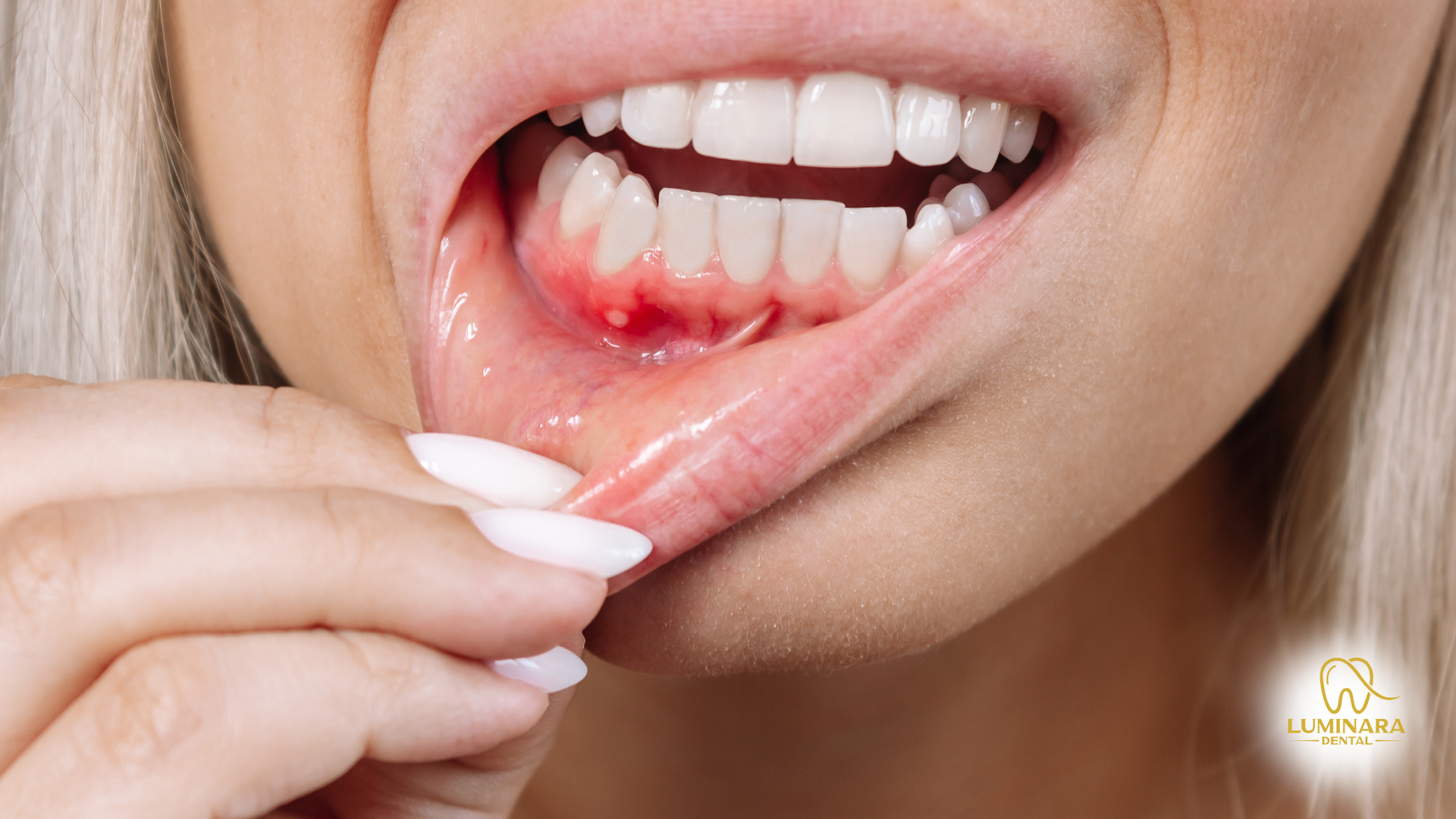
Healthy gums are firm, comfortable, and do not bleed consistently. When bleeding occurs during brushing or flossing, it is often the body’s early signal that inflammation is present.
Addressing this early through improved hygiene and professional guidance helps prevent progression into more advanced gum concerns. Gums respond well to consistent care when given the chance. Healthy gums form the foundation for a stable, comfortable smile.
Paying Attention to Sensitivity Patterns
Sensitivity is common, but it should not be ignored. Whether it appears with cold drinks, sweet foods, or brushing, sensitivity offers insight into changes happening beneath the surface.
Sometimes it reflects enamel thinning, gum recession, or bite-related stress. Understanding when sensitivity occurs helps guide appropriate care and prevents further structural changes. Early evaluation allows targeted support rather than temporary relief alone.
Seeing Preventive Visits as Ongoing Support
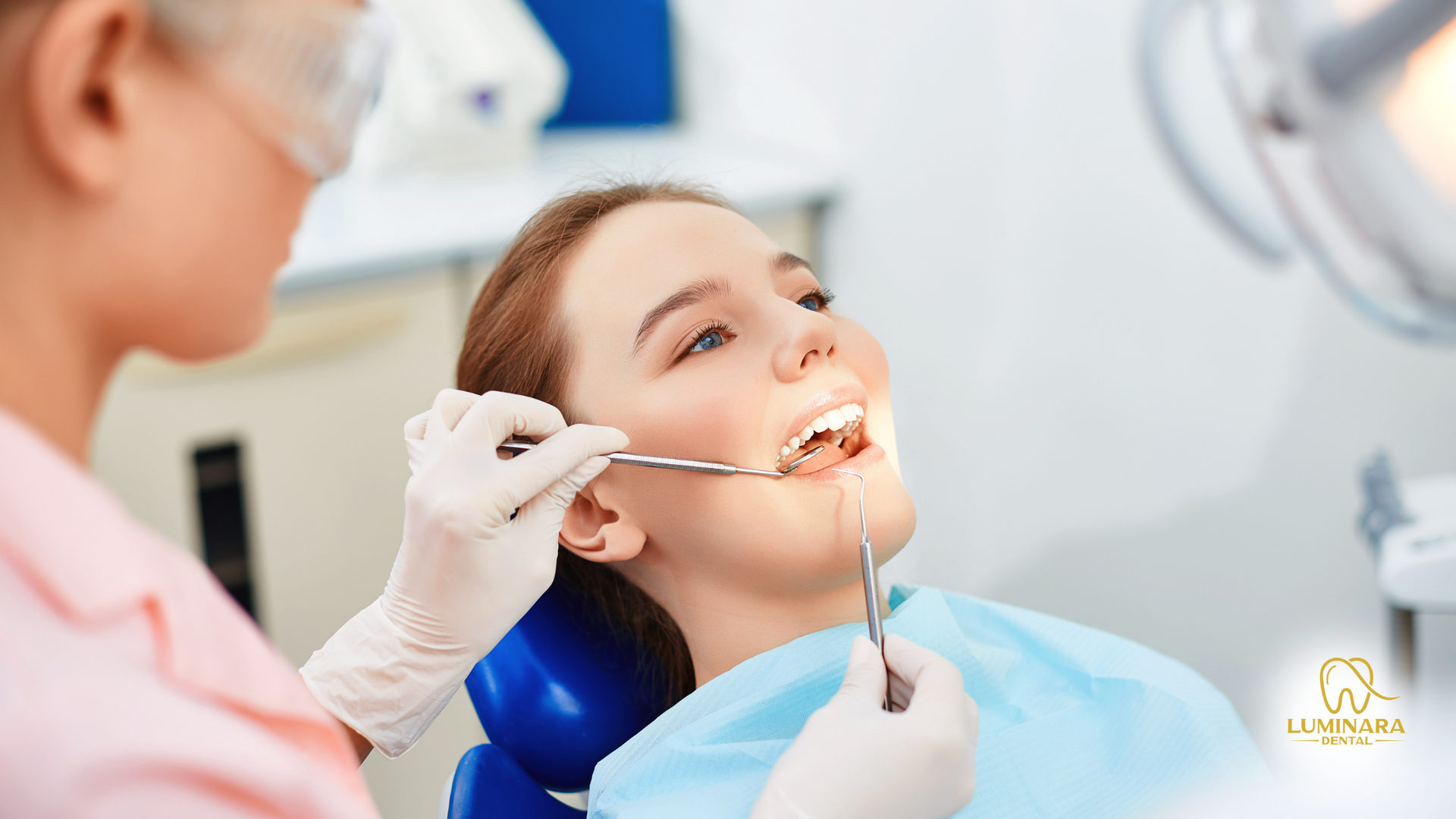
Dental visits are most effective when they focus on prevention rather than urgency. Many oral health changes develop gradually and without discomfort, making regular evaluations valuable even when everything feels fine.
Routine checkups allow small concerns to be addressed early and support long-term stability. At Luminara Dental in Stittsville, preventive care is designed to help patients maintain progress, not just respond to problems.
Connecting Oral Health With Overall Wellness
The mouth plays an important role in overall health. Inflammation, bacterial imbalance, and untreated concerns can affect comfort and well-being beyond teeth alone. Maintaining oral health supports confidence, daily function, and long-term wellness. Understanding this connection encourages thoughtful, consistent care.
Ending the Year With Healthy Momentum

As December brings reflection and fresh intentions, it is a natural time to fine-tune everyday habits. Small improvements made now can carry forward into the new year, supporting comfort and confidence well beyond the holiday season.
At Luminara Dental in Stittsville, we believe oral health is built through awareness, consistency, and support. With the right information, patients can move into the new year feeling confident about their smile and the habits that protect it. A healthier routine does not require drastic change, just thoughtful refinement and a positive approach to care.